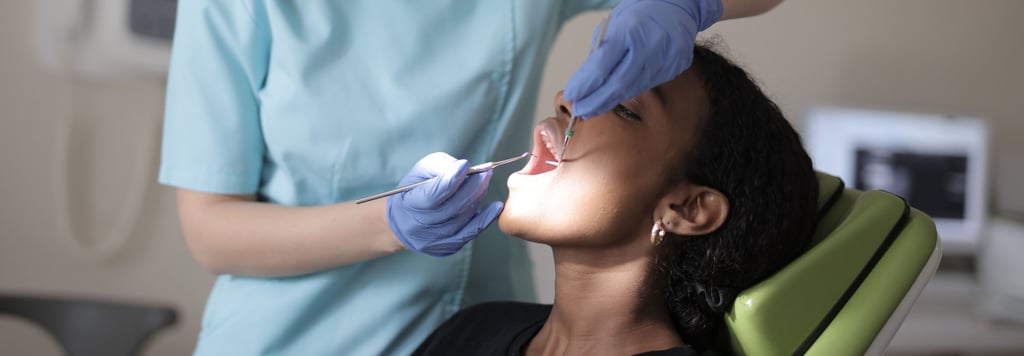
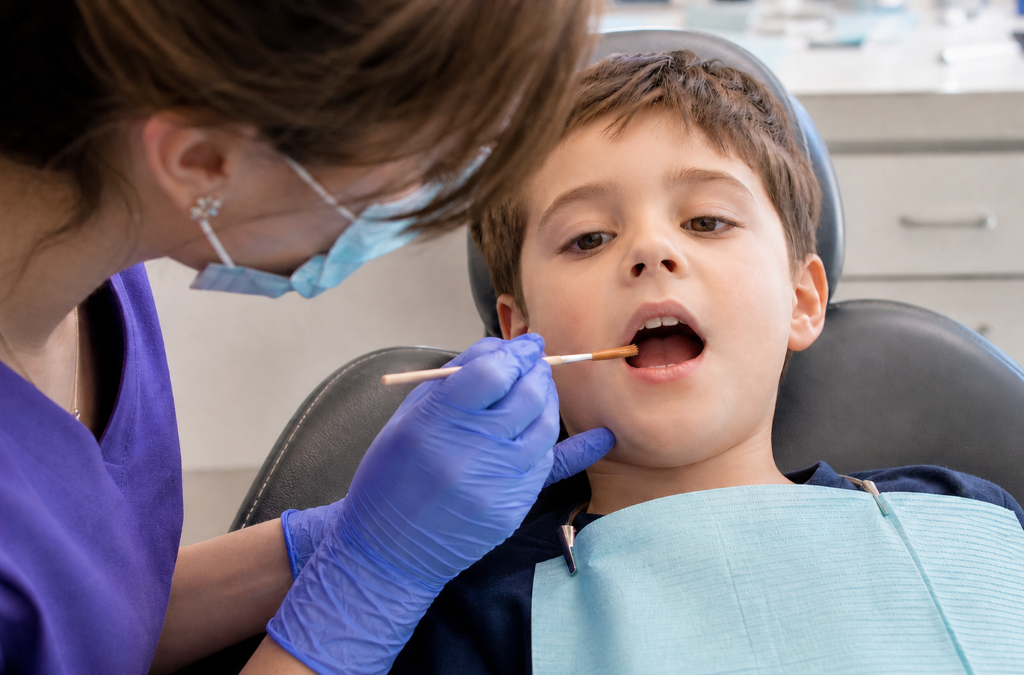
A dental sealant is a preventive coating painted onto the chewing surfaces of the back teeth. It protects the deep grooves and pits where bacteria and plaque collect, acting as a barrier over the enamel. Application is quick, painless, needs no drilling or anesthesia, and is done during a routine visit.
What Sealant Application Involves Here
- A preventive coating applied to the chewing surfaces of the back teeth
- Protects grooves and pits from bacteria and plaque
- Acts as a protective barrier over enamel
- No drilling and no anesthesia required
- Quick and painless, completed during a routine dental visit
- Recommended for children and teens with newly erupted molars
Dental sealants humble tx families ask about are among the least invasive things done in dentistry. Nothing is removed from the tooth and nothing is injected, which is why it fits inside an appointment that was already booked.
What Are Dental Sealants?
They are a coating, not a filling. That distinction is the whole point.
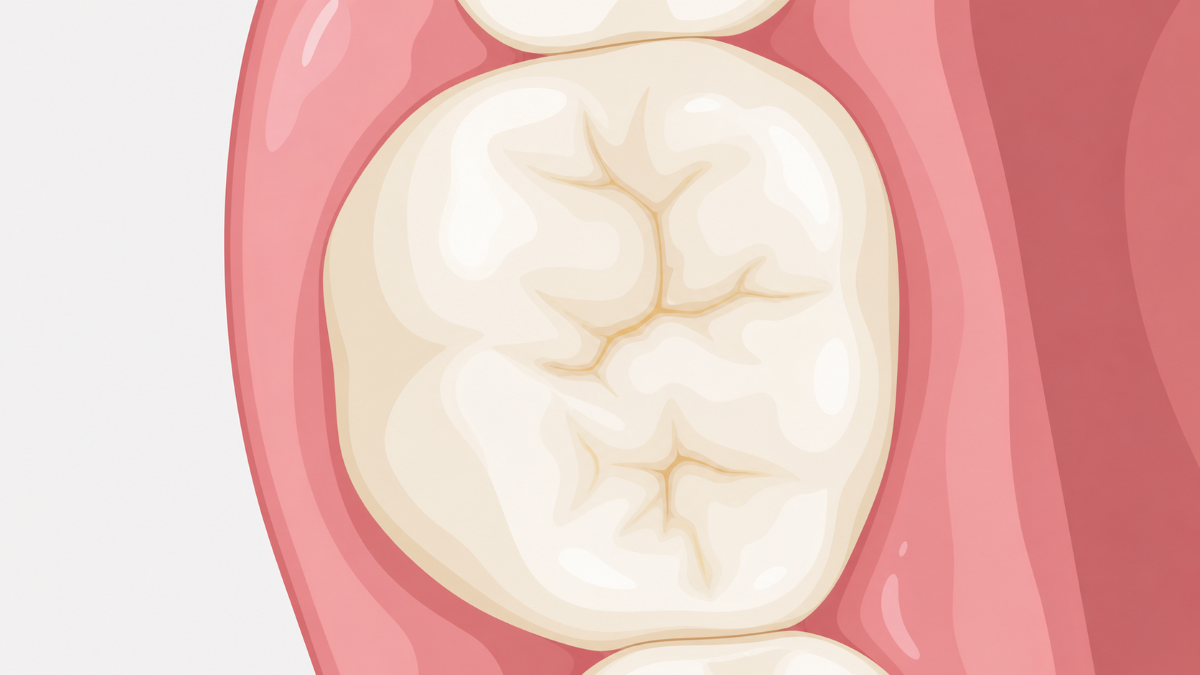
The chewing surface of a molar is not flat. It has deep grooves and pits, and those grooves are narrower than a toothbrush bristle, which means they cannot be cleaned properly no matter how carefully a child brushes. Food and bacteria sit in them.
A sealant fills those grooves with a protective layer, so the surface becomes smooth enough to clean. Sealants for teeth work by removing the hiding place rather than by treating anything.
That is what sealants in dentistry are for: prevention on the one surface where brushing genuinely cannot reach.
How Are Dental Sealants Applied?
Five steps, none of them uncomfortable:
- The teeth are cleaned and prepared before anything is applied.
- The sealant material is painted onto the tooth surface, into the grooves.
- No drilling is involved. Nothing is removed from the tooth.
- No anesthesia is required. No injection, no numbness afterward.
- The visit is a routine one. The dental sealants procedure is normally added to an appointment already scheduled.
The whole thing is quick and painless, which is worth saying plainly to parents who assume any dental procedure means a difficult afternoon. This one does not.
Who Are Dental Sealants Recommended For?
Children and teens with newly erupted molars. That is the group the practice recommends them for, and the timing is the reason.
A newly erupted molar arrives with its grooves at their deepest and its owner at their least reliable about brushing. Sealing it early protects it through the years when cavity risk is highest. Dental sealants for kids are most useful in the window shortly after the tooth comes through.
Two clinical conditions apply to any tooth being considered:
- The tooth must be free of active decay. A sealant is a barrier, not a treatment. If decay is present, that is dealt with first.
- The tooth should have deep grooves and pits. Molars are the best candidates, which is where pediatric dental sealants are normally placed.
Whether a specific tooth qualifies for dental sealants humble tx dentists would place is decided at the visit. Adults asking about sealants should raise it with the dentist directly, since the recommendation on this page covers children and teens.
How Long Do Dental Sealants Last?
Typically several years with proper care. They are not permanent, and they are not meant to be.
Longevity depends on oral habits and bite forces. A child who grinds, or who chews hard on that side, will wear a sealant faster than one who does not. Because sealants sit on the chewing surface, they take the full load of every bite.
They are checked at routine visits, so wear is picked up as part of the normal dental exams appointment rather than by anyone having to notice a problem. Families searching for dental sealants near me often assume this needs a dedicated recall; it does not.
What Do Dental Sealants Cost, and Does Insurance Cover Them?
Sealants are often covered for children under preventive insurance benefits, which is the most useful thing to know before you call.
Coverage is reviewed based on age and plan details, because both matter. Age limits on preventive benefits are common, and they are precisely why sealing a molar shortly after it erupts is better timed than waiting.
No standalone dental sealants humble tx fee is quoted here, because for most children the number that matters is what the plan covers rather than the list price. The practice checks your plan and tells you where you stand before anything is applied. Final pricing varies based on your individual clinical needs, and is confirmed after the dentist examines you.
Frequently Asked Questions
What are dental sealants?
How do dental sealants work?
Do dental sealants hurt?
Are dental sealants worth it?
How long do dental sealants last?
Sealants for Children in Humble and Atascocita
The clinic is on FM 1960 between the two, so this fits into a school-week afternoon from either side. Anyone booking dental sealants humble tx appointments for a child whose molars have recently come through is within a few minutes' drive.
Sealants are usually placed at the same visit as a checkup, so this rarely means a separate trip. Pediatric dentistry care at the practice is built around keeping those appointments short and uneventful.
Parents who want a second opinion before deciding can read the American Dental Association page on sealants, which is where the decay-reduction figure above comes from.
Ask at Your Child's Next Checkup
The timing question answers itself: shortly after a molar erupts is when a sealant does the most good, and that is also when preventive benefits are most likely to apply.
- No drilling, no anesthesia, and no separate appointment in most cases
- Coverage checked against age and plan details before anything is applied
To ask about dental sealants humble tx parents can add to a routine checkup, call Aroma Dental, 7058 Farm to Market 1960 Rd E, Humble, TX 77346, a short drive from Atascocita and Kingwood, with free parking outside.